Kraków & Wawel Hill
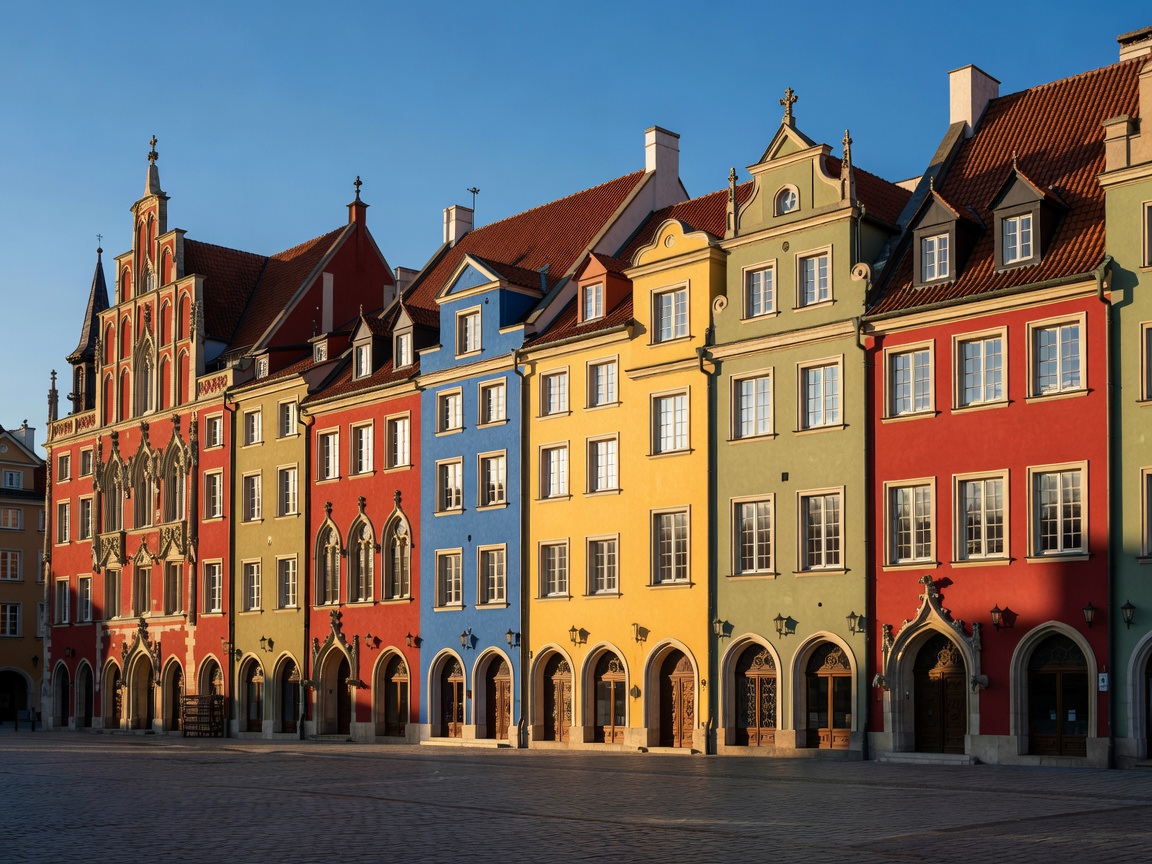
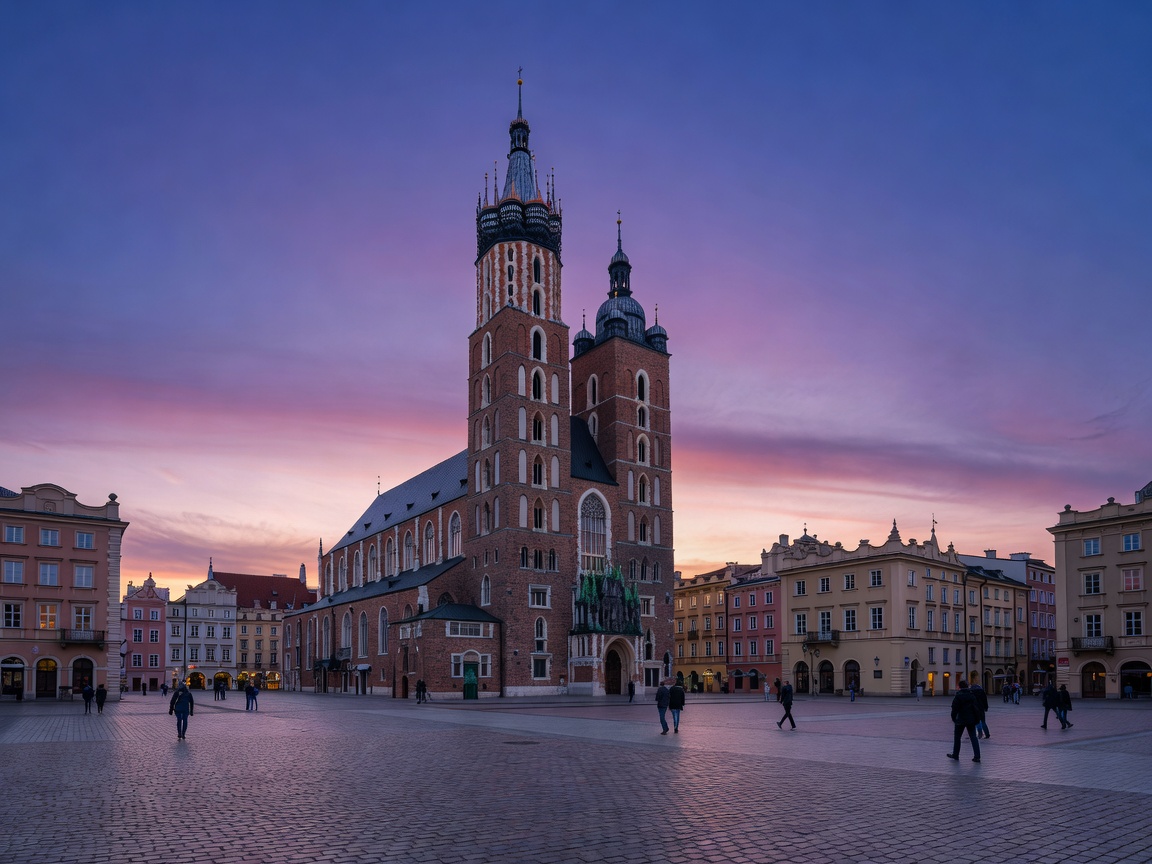
Europe’s largest medieval marketplace, subterranean crypts, the Bohemian streets of Kazimierz, and the dragon-guarded limestone bluffs of the Vistula.
A dynamic territorial matrix covering royal brick Gothic castles, Baltic amber seashores, glacial alpine ridges, and Europe's deepest culinary rebirth.
Europe’s largest medieval marketplace, subterranean crypts, the Bohemian streets of Kazimierz, and the dragon-guarded limestone bluffs of the Vistula.
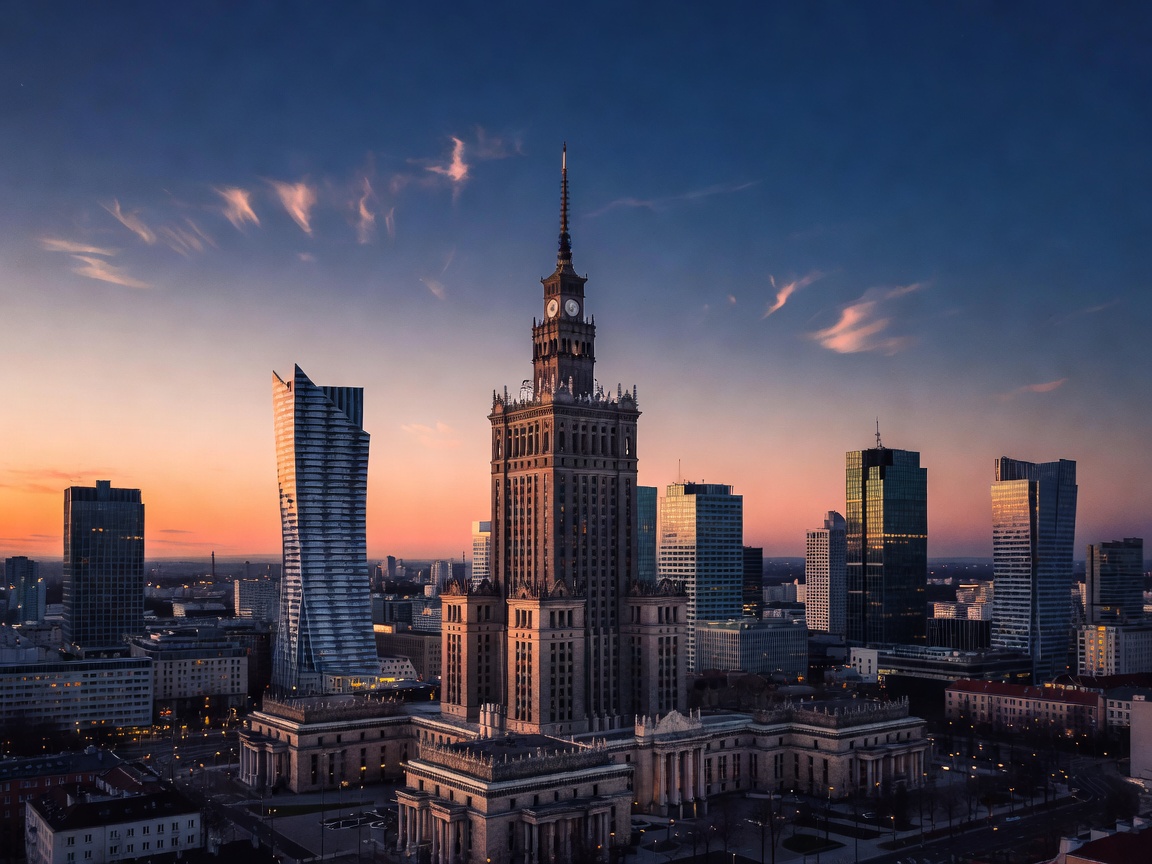
Brutalism meets glass spires, meticulous post-war Old Town reconstructions, and the electric energy of the Praga riverside arts district.
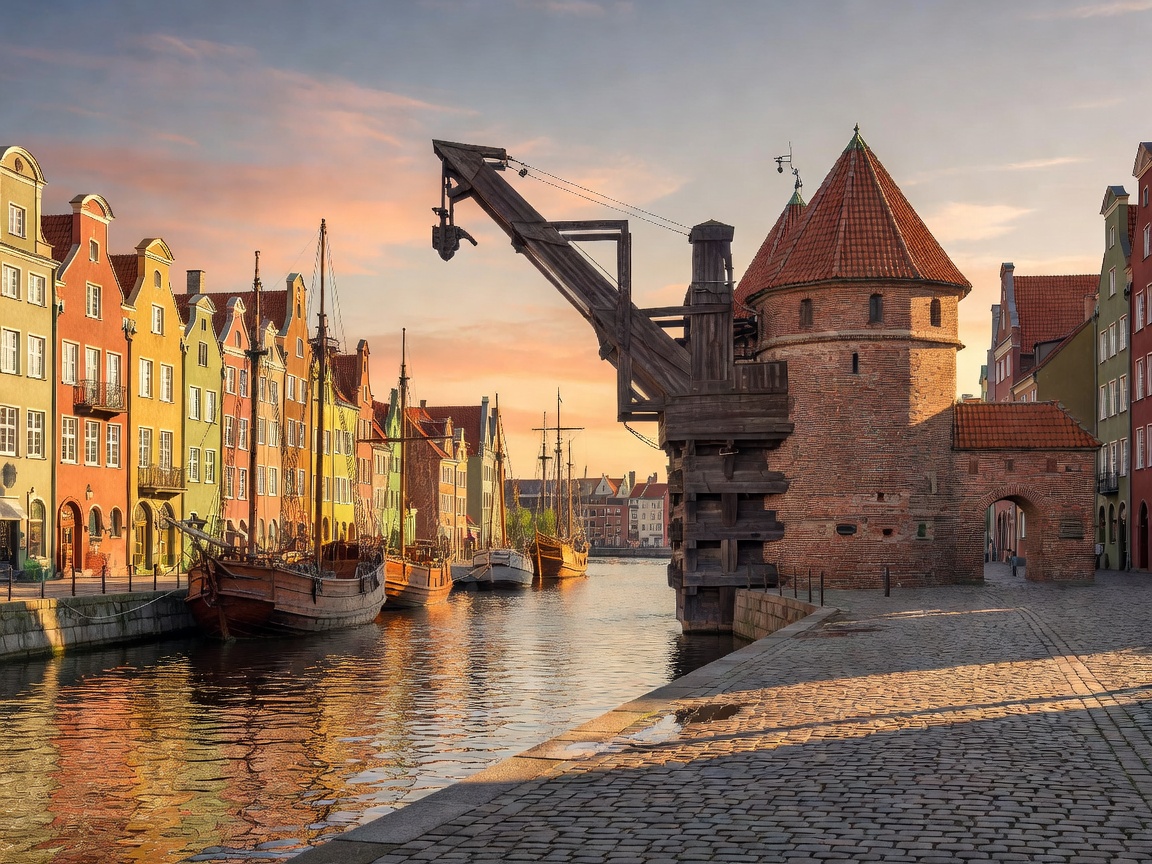
Dutch-mannerist facades, Solidarity shipyard history, maritime smokehouses, and windy dunes along the Baltic shoreline.
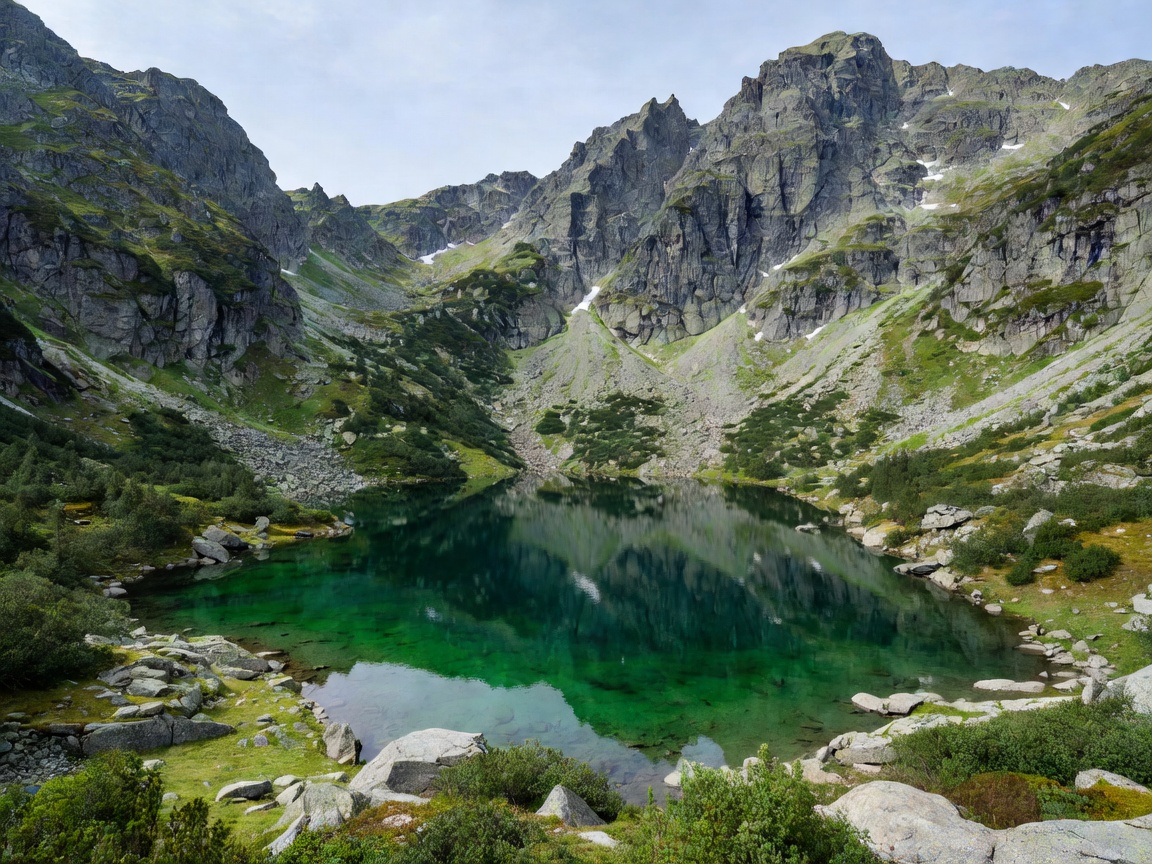
Granite towers rising above glacial tarns like Morskie Oko, carved wooden Witkiewicz chalets, smoked oscypek cheese, and highlander Goral pride.
Over a hundred spans stitching 12 islands, hundreds of playful bronze dwarfs, Ostrów Tumski gas lanterns, and Bohemian Silesian heritage.
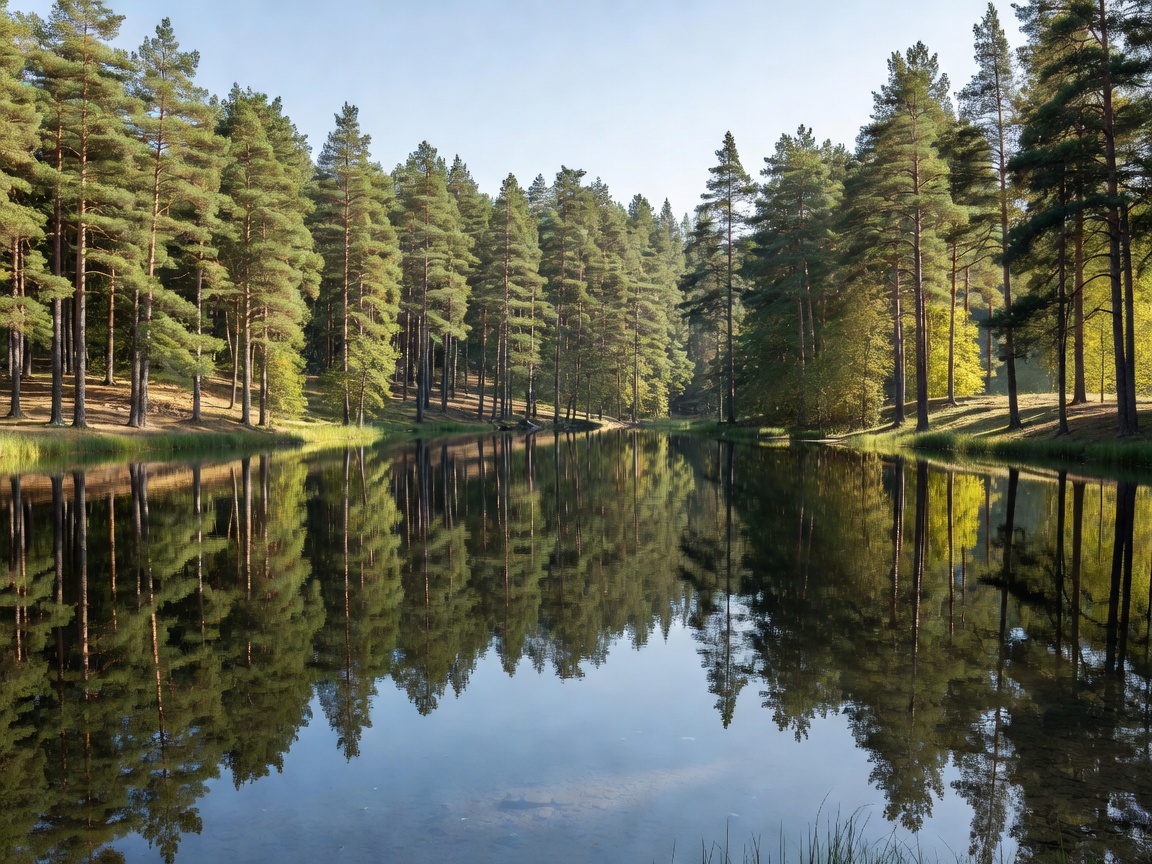
A water labyrinth interconnected by historic canals, pristine kayaking routes like the Krutynia, dense pine forests, and sailing culture.
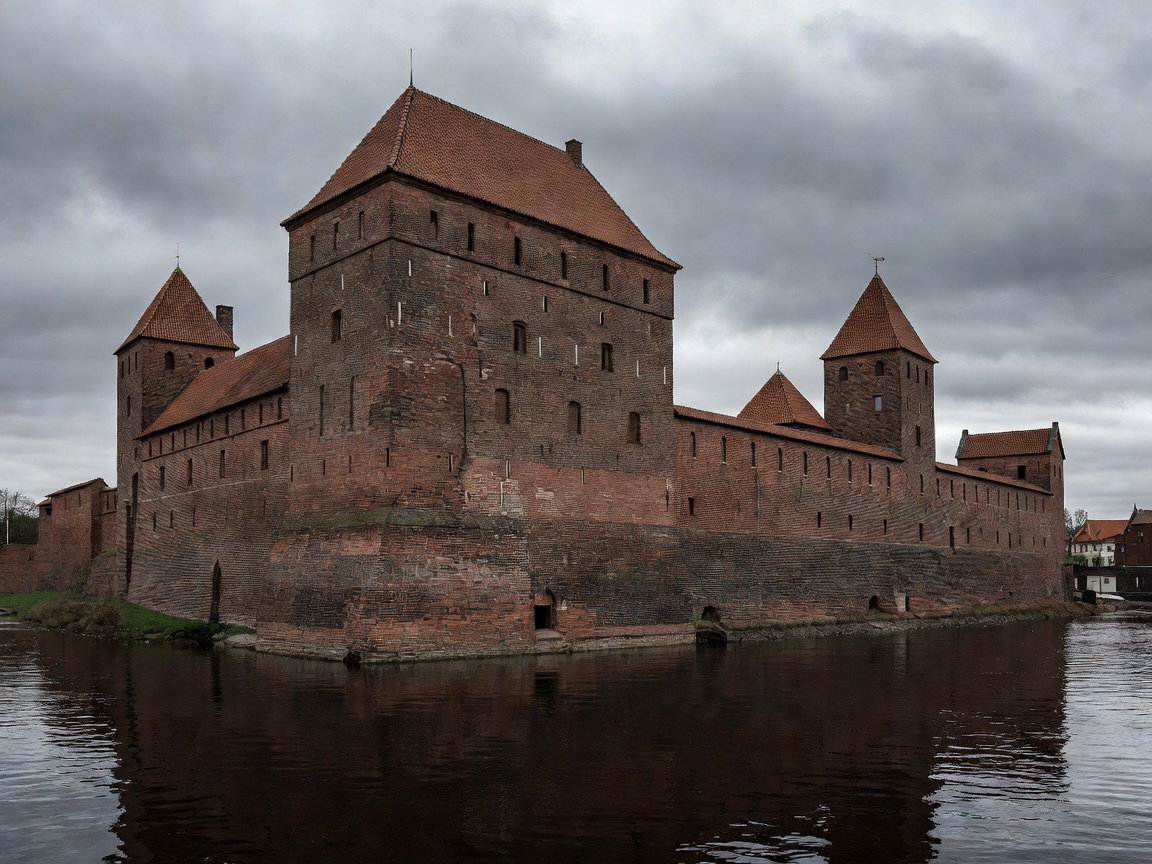
From the colossal red-brick fortress of Malbork to the Eagle’s Nests limestone watchtowers perched atop the Kraków-Częstochowa Upland.
Real żurek fermented in rye vats, hand-crimped pierogi, wild chanterelles from ancient woodlands, and Soviet-era Bar Mleczny milk bars reinvented.
Straddling geopolitical crossroads, Poland preserved its architectural marvels, culinary depth, and ecological sanctuaries through centuries of transformation.
From prehistoric flint mines in Krzemionki to pristine Białowieża primeval bison forests.
Covering shifting dunes in Słowiński, karst caves in Ojców, and table mountains in Góry Stołowe.
Rooted in Gniezno in 966 AD, evolving through the Commonwealth to a modern European powerhouse.
The historic proverb "Gość w dom, Bóg w dom" remains an authentic lived daily ethic across regions.